

PHYSICAL PRODUCT
Blue Print Movable Alphabet
Combines well with
Blue Print Movable Alphabet
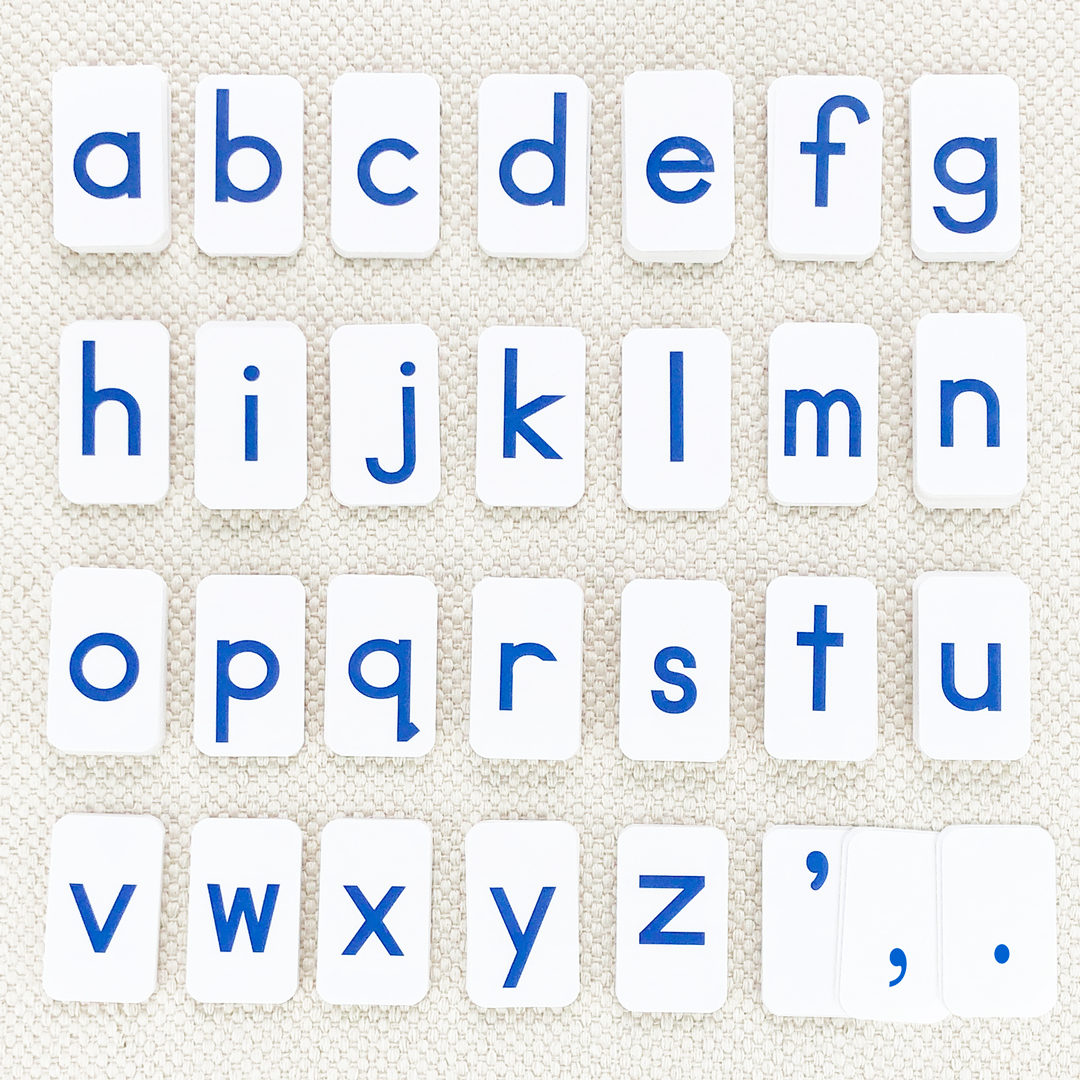
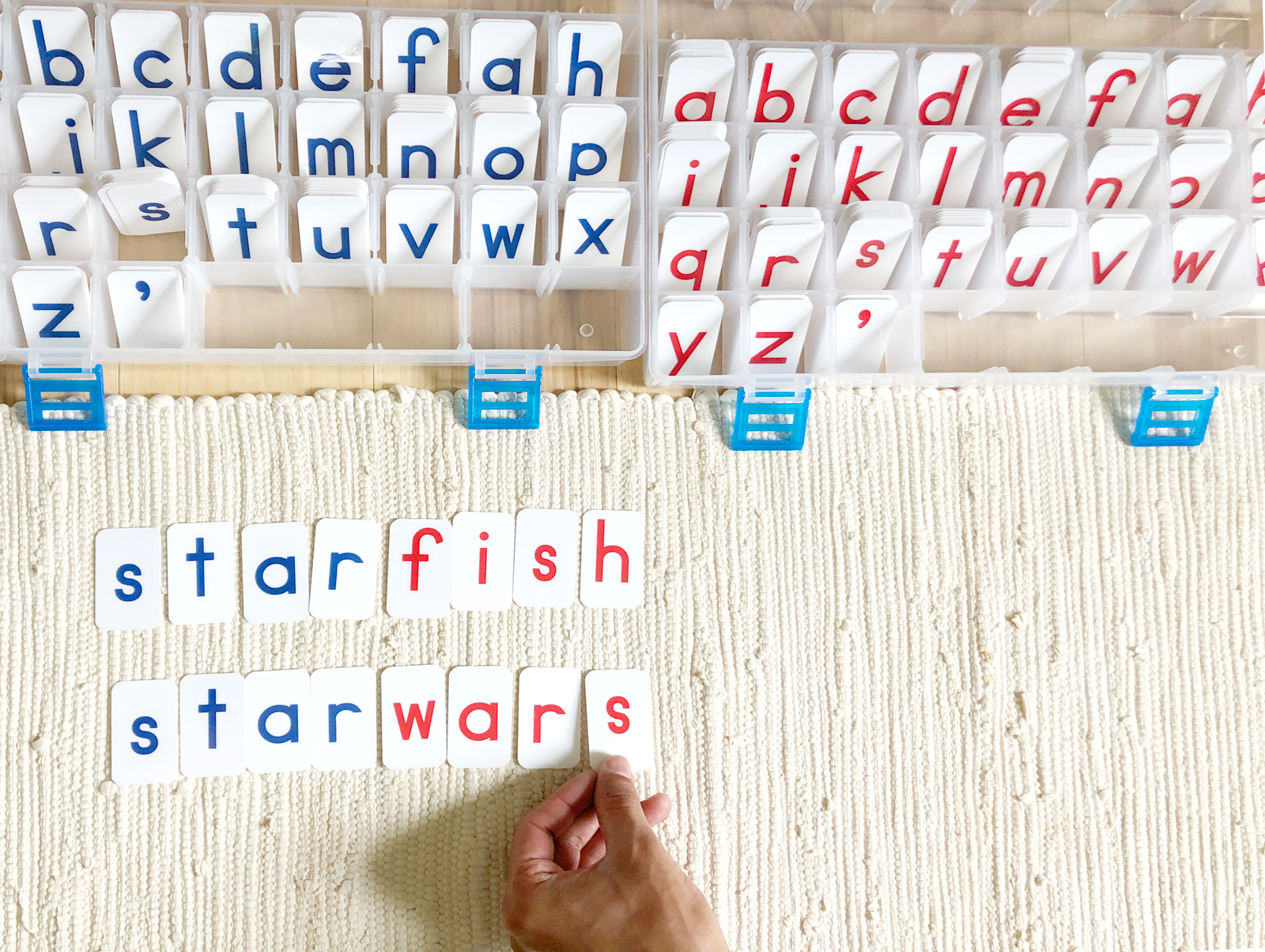
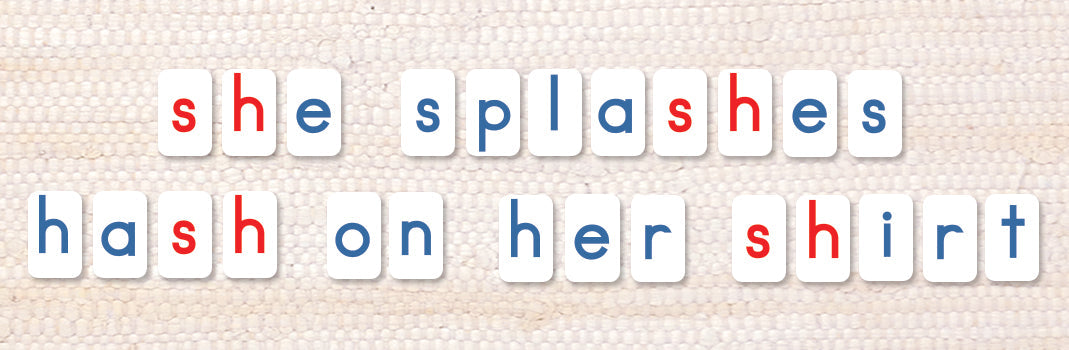
The movable alphabet allows children to build words with letter cards, explore morphological concepts like prefixes and suffixes, and practice spelling all without using a pencil or eraser.
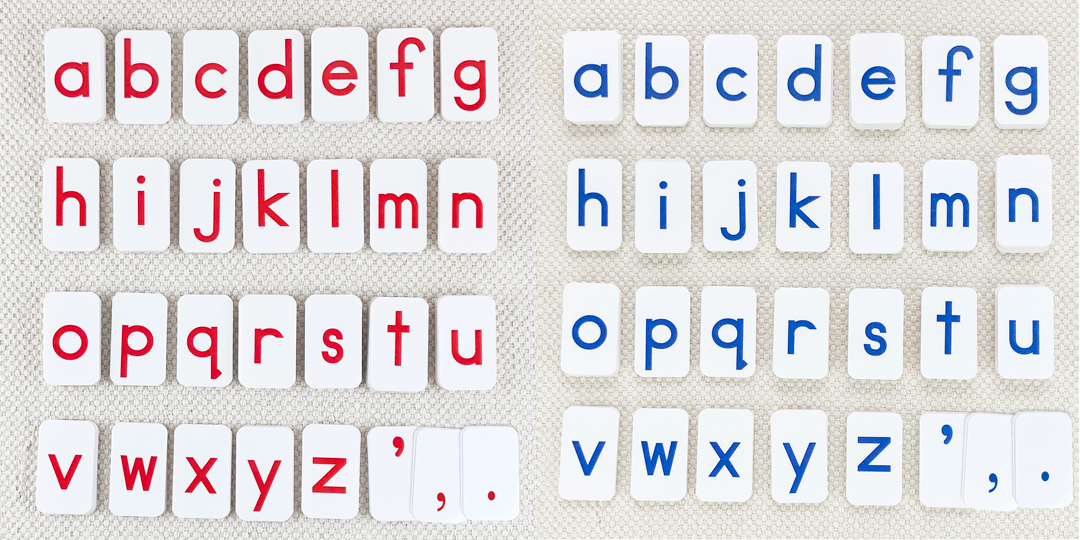
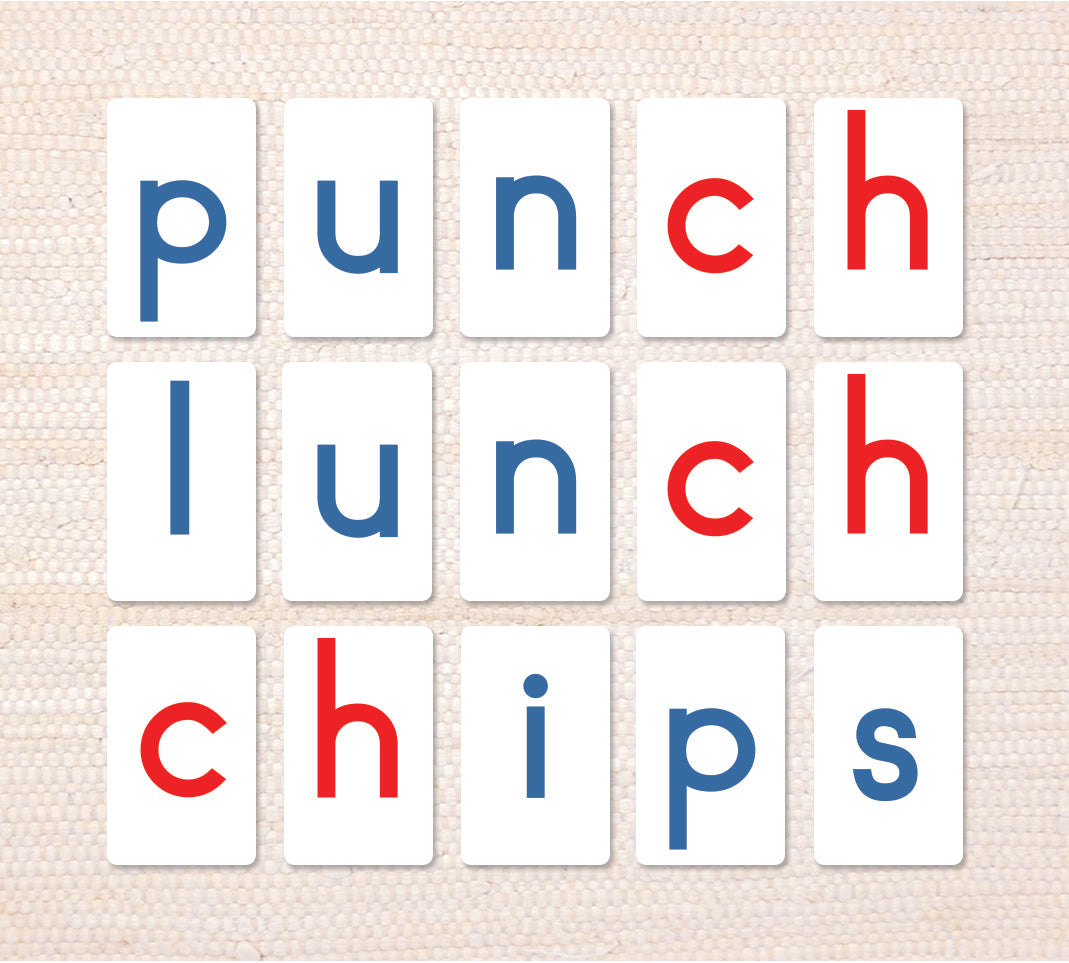
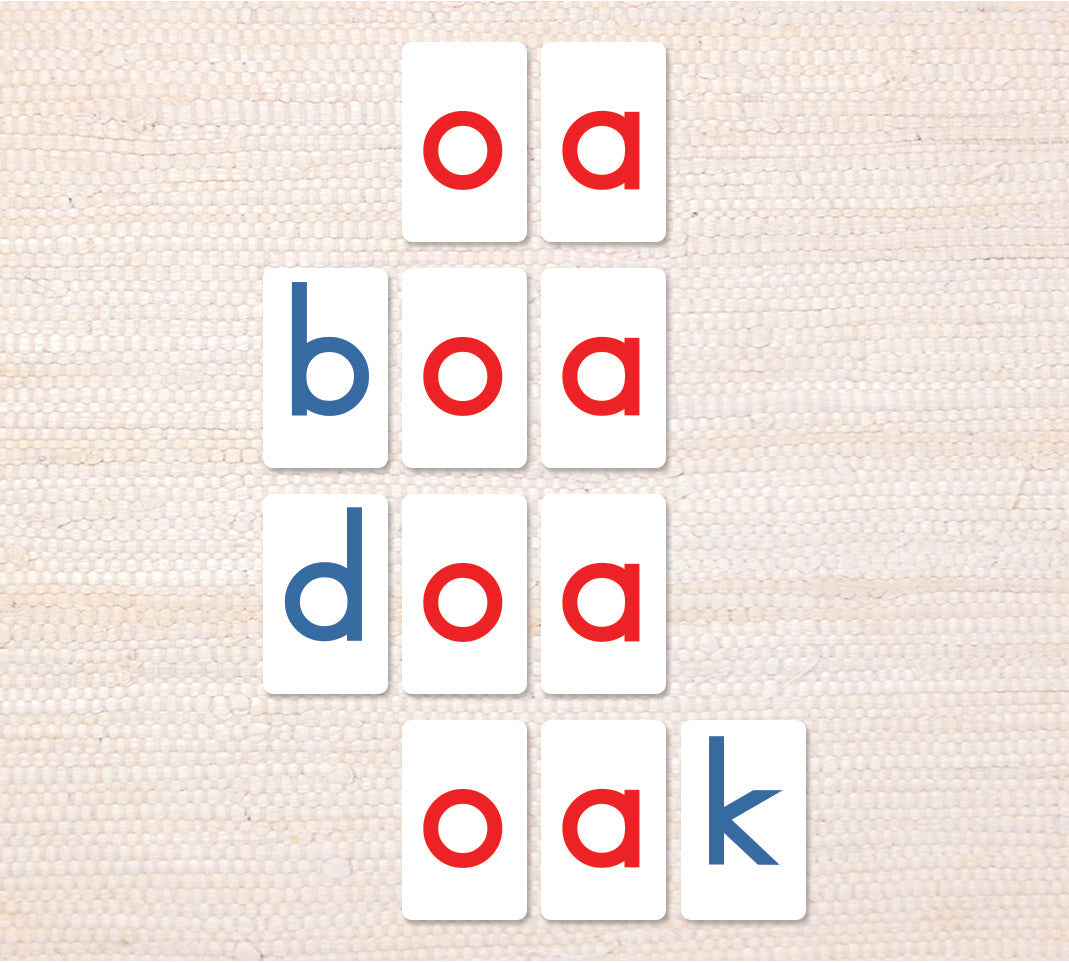
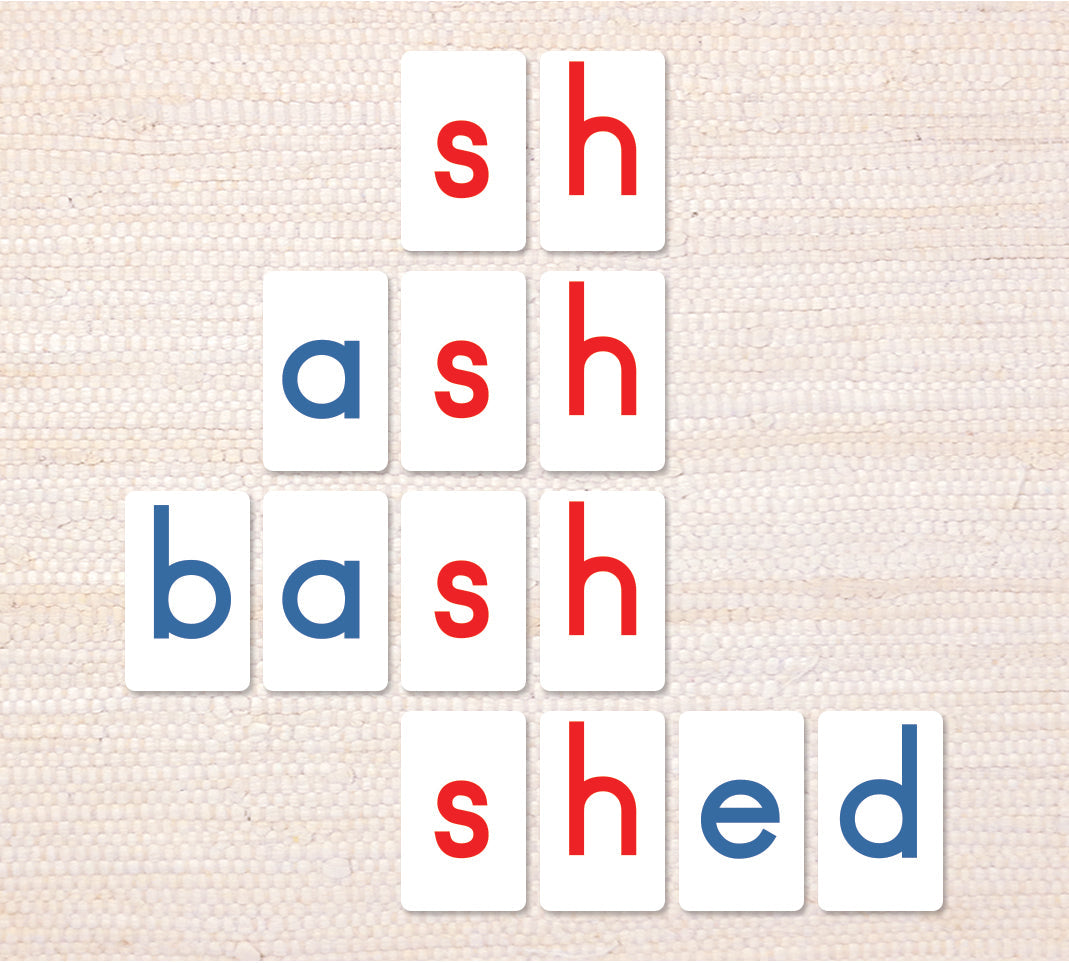
Why blue? Used alongside the red, black, or phonogram alphabets, blue letters isolate specific word components — phonograms, affixes, spelling patterns — so children can see the contrast visually.
Why encoding matters for reading
Spelling a word and reading a word draw on the same underlying knowledge. When a child pushes letter cards into place to spell word like frog , they are segmenting the sounds, matching each one to a spelling, and checking the result — the same grapheme-phoneme work that lets them later recognize frog instantly on a page. Ehri (2014) describes this process as orthographic mapping: spellings become bonded to pronunciations and meanings in memory, which is what turns effortful decoding into automatic word recognition.
This is why encoding practice is not a detour from reading instruction, it's part of it.
The movable alphabet does this work without a pencil. A child can revise a word as often as they need to without erasing, which lowers the cost of being wrong and keeps attention on the sounds rather than on letter formation. Adding a second color alphabet side-by-side makes the specific pattern under study visually separate from everything else in the word, so attention lands where the lesson intends.
What's included
The alphabet is designed for early literacy explorations:
• 10 of each consonant
• 20 of each vowel and high-frequency letter (r, s, t, n)
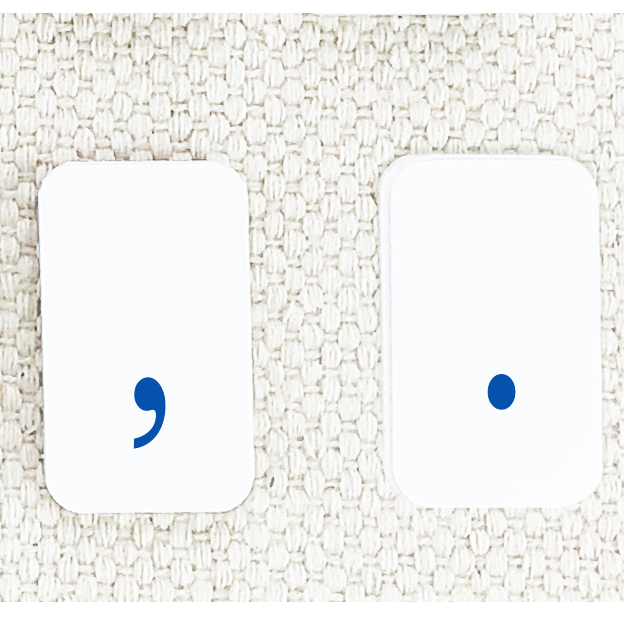
• 10 periods, 10 commas, and 10 apostrophes
• Cards are approx. 1.25" W x 2" H
• Printed on one-side only to isolate the lower-case letter
• Laminated (food grade) with rounded corners
Lesson plan/instructions for use included.
Available alone or bundled with our Black, Red, or Green Phonogram alphabet.
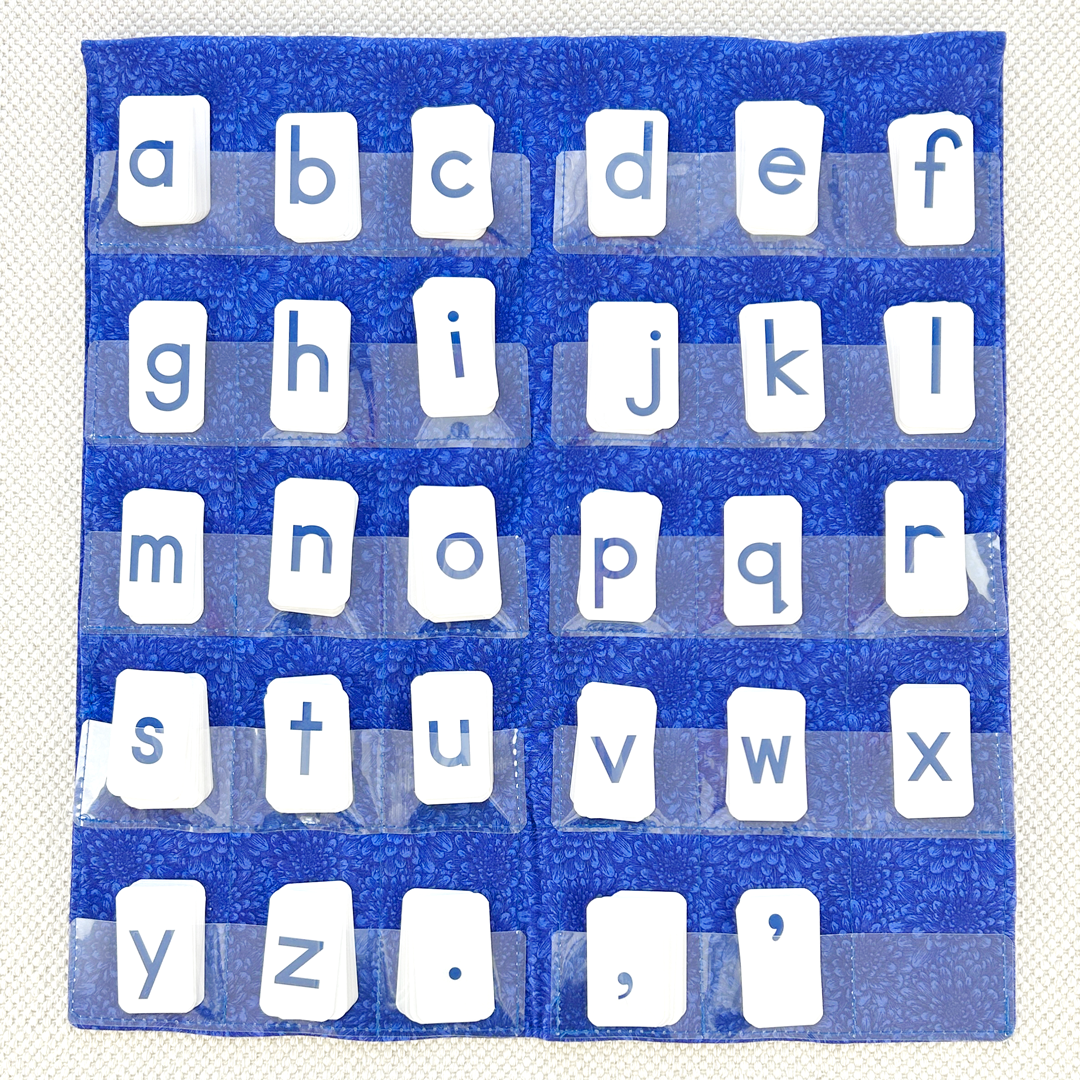
Add-on Pocket Chart
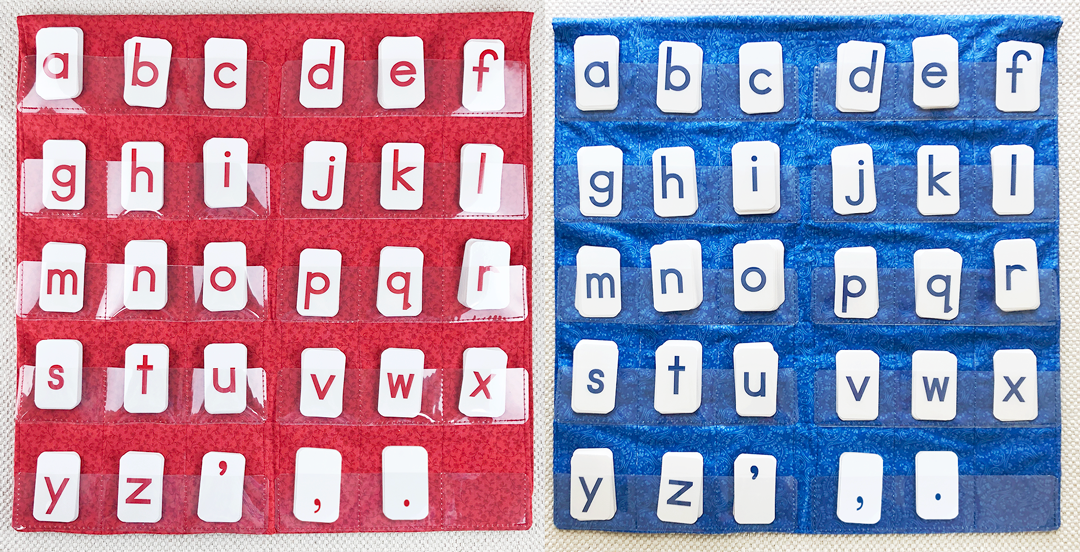
Add the pocket chart for an accessible storage/display solution that is sized perfectly to hold the alphabet letter cards. This folding design works like a box making it easy for students to carry and access/organize letter cards. Children unfold the pocket chart for use at their work area and fold it for compact, space-saving storage on the work shelf.
• Unfolded size is approx. 16" W x 32" H
• Folded size (on the shelf) is approx. 8" W x 16" H
• Pockets are approx. 2.5" W x 1.75" H
Sustainably-made in the USA by Maitri Learning. All cards are laminated with a food-grade laminate, have rounded corners, and are ready to use. CPSIA compliant.
What is the Science of Reading?
Why does spelling practice improve reading?
What ages is this alphabet designed for?
How is this alphabet Montessori-aligned?
What is an album badge?
Trained Montessorians select every product in The Shared Environment. If the product fulfills the description in a presentation, it gets an album badge.
Album badges represent the analysis of trained Montessorians and do not indicate endorsement by an accrediting body. The album badging process and symbols are proprietary intellectual property of The Shared Environment.